


CAS 7440-05-3 Pd nanopolvo de paladio ultrafino como catalizador
Tamaño: 20-30nm Pureza: 99.95% Nº CAS: 7440-05-3 ENINEC No.:231-115-6 Apariencia: Polvo negro Forma: esférica

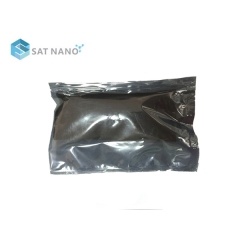
Tamaño: 20-30nm Pureza: 99.95% Nº CAS: 7440-05-3 ENINEC No.:231-115-6 Apariencia: Polvo negro Forma: esférica
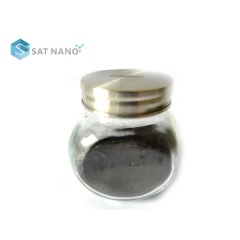
Podemos suministrar productos de diferentes tamaños de polvo de siliciuro de niobio de acuerdo con los requisitos del cliente. Tamaño: 1-3um; Pureza: 99.5%; Forma: granular No. CAS: 12034-80-9; ENINEC No.:234-812-3
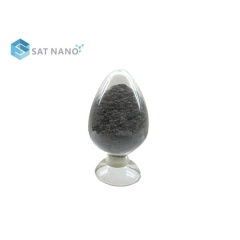
La partícula de Ni2Si, 99.5% de pureza, forma granular, se utiliza para el circuito integrado microelectrónico, película de siliciuro de níquel, etc. Tamaño: 1-10um; No. CAS: 12059-14-2; ENINEC No.:235-033-1
Definición y estándares: Durante este período, se establecieron los tres componentes principales de la pasta conductora: la fase conductora que proporciona conductividad (como el polvo de plata y oro), la fase de unión que actúa como adhesivo (generalmente polvo de vidrio) y el portador orgánico que determina el rendimiento del procesamiento. Estos componentes siguen utilizándose en la actualidad.
2. Período de desarrollo y transferencia (décadas de 1970 a 1990)
Con la explosión del mercado de la electrónica de consumo, se ha producido un cambio significativo en el centro tecnológico y el panorama industrial de las pastas conductoras.
El auge de Japón: En la década de 1980, Japón se puso rápidamente al día en tecnología de pulpa gracias a su sólida posición en el sector de la electrónica de consumo, convirtiéndose en la única potencia productora de pulpa capaz de competir con Estados Unidos. Sumitomo Metal Mining, Akira Chemical, Tanaka Precious Metals y otras empresas siguen siendo gigantes en la industria mundial de pulpa hasta el día de hoy.
China comenzó: En comparación con Estados Unidos y Japón, China incursionó en este campo relativamente tarde, a finales de la década de 1980, representada por el Instituto de Investigación de Metales Preciosos de Kunming y la Fábrica 4310. Los primeros productos se centraron principalmente en pastas conductoras con barreras técnicas relativamente bajas y amplias aplicaciones, como la pasta de plata y la pasta de plata y aluminio.
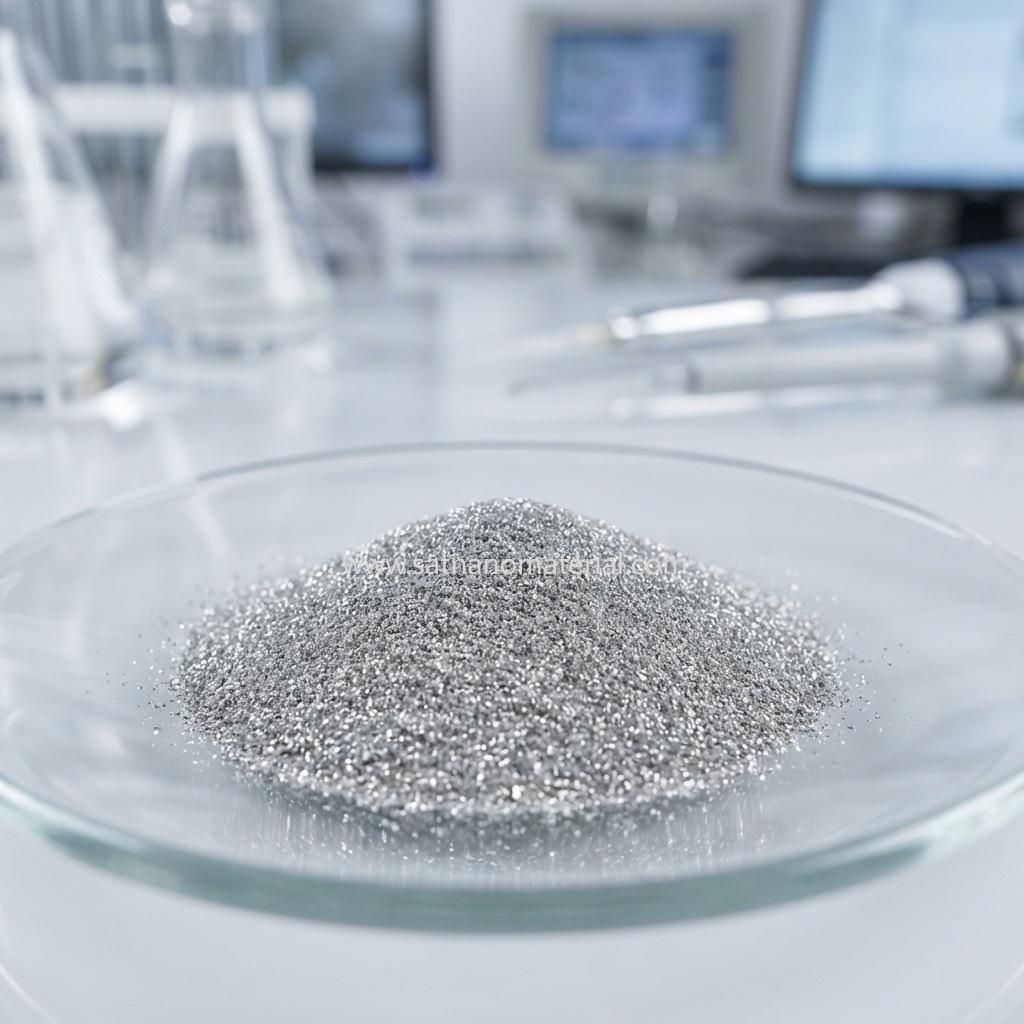
Actualización tecnológica: En la década de 1990, para satisfacer la demanda de mayor densidad y menor ancho de línea en los circuitos integrados, la tecnología de suspensión comenzó a desarrollarse hacia la preparación de polvos a nanoescala, reduciendo el tamaño de las partículas conductoras para obtener circuitos más finos y densos.
3. Periodo de diversificación e innovación (del siglo XXI a la actualidad)
Al entrar en el siglo XXI, el coste y la protección del medio ambiente se han convertido en los principales motores de la innovación tecnológica, y la tecnología de la pulpa ha presentado un patrón diversificado de desarrollo diverso.
Sustitución de metales base: El elevado coste de los metales preciosos, especialmente la plata, ha impulsado el desarrollo de pastas de metales base como la pasta de cobre y la pasta de cobre recubierta de plata. En el sector fotovoltaico, en particular, para reducir el coste de la electricidad por kilovatio-hora, la tendencia hacia productos con bajo contenido de plata o incluso sin plata es clara. Por ejemplo, la pasta de cobre recubierta de plata se ha convertido en la opción principal para las baterías de heterounión (HJT), con una cuota de mercado del 75%, y el contenido de plata de algunos productos puede reducirse a entre el 6% y el 8%.
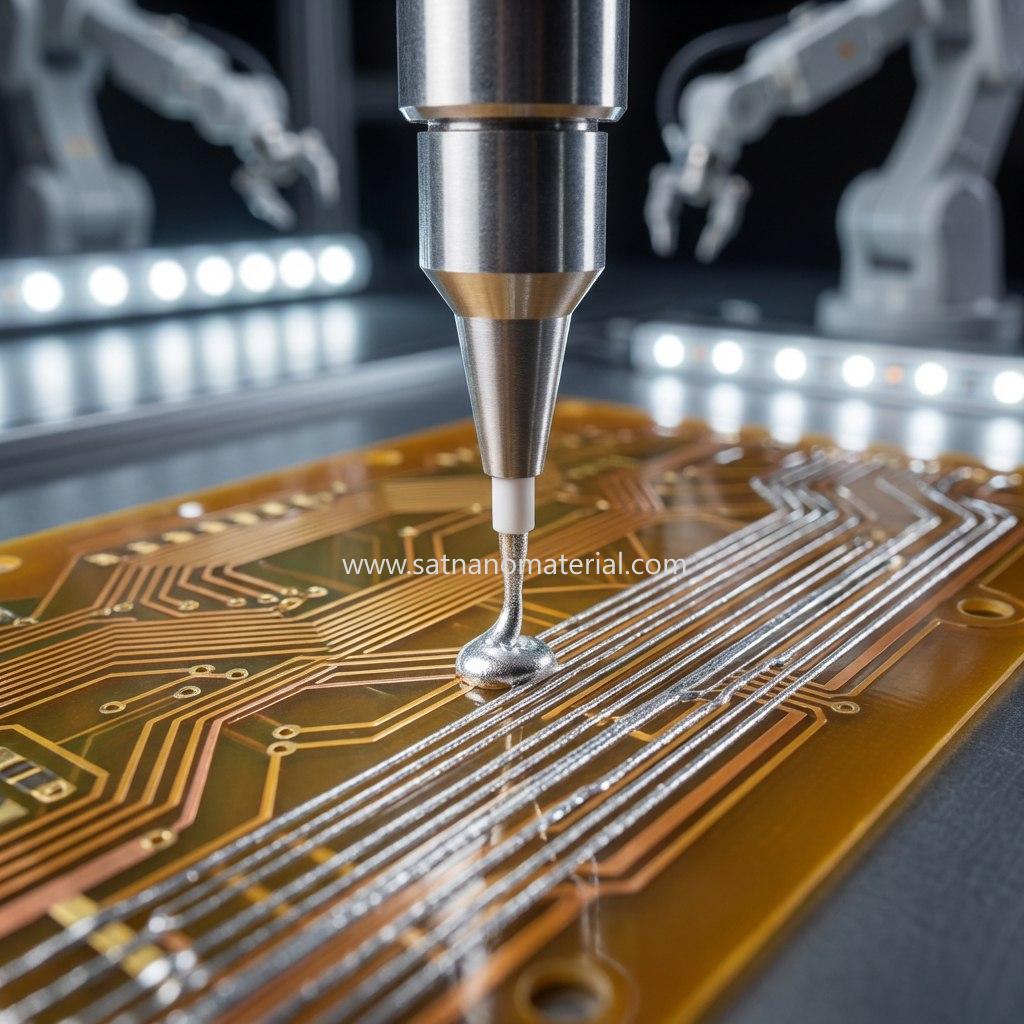
Protección del medio ambiente: La pulpa tradicional utiliza disolventes orgánicos, que suponen riesgos para el medio ambiente y la salud. Sustituir los disolventes orgánicos por disolventes acuosos para la elaboración de "suspensiones acuosas" se ha convertido en una importante línea de investigación orientada a lograr una fabricación ecológica y respetuosa con el medio ambiente.
Exploración de nuevos materiales: Además de los metales, los investigadores también están explorando activamente materiales compuestos de materiales a base de carbono, como el grafeno y los metales, aprovechando su excelente conductividad eléctrica y térmica para mejorar aún más el rendimiento de las suspensiones.
La historia del desarrollo de la pasta conductora es también una historia de sustitución de materiales. Desde la costosa plata y el oro puros de sus inicios, hasta el uso generalizado de materiales como el cobre y el carbono en la actualidad, la principal motivación ha sido la búsqueda constante de menores costos y mayor eficiencia, sin comprometer el rendimiento. Esto explica, además, por qué incluso la pasta de cobre, con un rendimiento ligeramente inferior, es tan demandada en aplicaciones a gran escala como la fotovoltaica, debido a su enorme ventaja en costos.
SAT NANO es un proveedor de los mejores
polvo de plata
Polvo de oro, polvo de nanotubos de carbono en China. Si tiene alguna consulta, no dude en contactarnos a través de admin@satnano.com.


 Servicio en línea
 13929258449
 admin@satnano.com
 + 8613929258449