


CAS 7440-05-3 Pd nanopolvo de paladio ultrafino como catalizador
Tamaño: 20-30nm Pureza: 99.95% Nº CAS: 7440-05-3 ENINEC No.:231-115-6 Apariencia: Polvo negro Forma: esférica

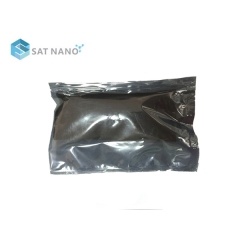
Tamaño: 20-30nm Pureza: 99.95% Nº CAS: 7440-05-3 ENINEC No.:231-115-6 Apariencia: Polvo negro Forma: esférica
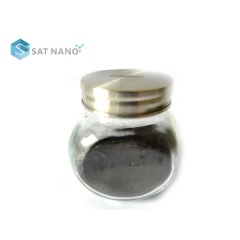
Podemos suministrar productos de diferentes tamaños de polvo de siliciuro de niobio de acuerdo con los requisitos del cliente. Tamaño: 1-3um; Pureza: 99.5%; Forma: granular No. CAS: 12034-80-9; ENINEC No.:234-812-3
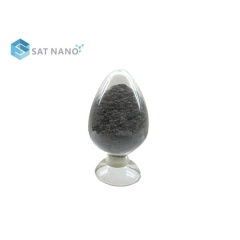
La partícula de Ni2Si, 99.5% de pureza, forma granular, se utiliza para el circuito integrado microelectrónico, película de siliciuro de níquel, etc. Tamaño: 1-10um; No. CAS: 12059-14-2; ENINEC No.:235-033-1
Diversos objetos domésticos de plata constituyen los primeros dispositivos antibacterianos utilizados por el ser humano. Estudios arqueológicos han demostrado que China ya empleaba la plata como recipiente para beber desde la dinastía Xia, mientras que los antiguos griegos usaban cuencos de plata para contener agua potable y los antiguos romanos, recipientes de plata para conservar el vino. Todo esto se lograba aprovechando las propiedades antibacterianas naturales de la plata.
La investigación médica moderna ha demostrado que la plata puede ejercer efectos antibacterianos mediante el efecto sinérgico dual de los iones de plata y la nanoplata. Los iones de plata se unen a las membranas celulares bacterianas, aumentando su permeabilidad e induciendo su muerte. Su unión con grupos activos como tiol y amino en las enzimas metabólicas bacterianas provoca la pérdida de actividad enzimática e interfiere con el metabolismo energético bacteriano. Además, puede unirse al ADN/ARN de las bacterias, impidiendo la replicación y transcripción genética, interrumpiendo la capacidad reproductiva bacteriana y ejerciendo efectos antibacterianos y bactericidas. La nanoplata tiene mayor probabilidad de penetrar la membrana celular de los patógenos y ejercer un efecto antibacteriano más duradero a concentraciones extremadamente bajas. Bajo la influencia de un campo eléctrico, las sustancias que contienen plata pueden liberar más iones de plata, potenciando la eficacia antibacteriana local.
Además de su potente función antibacteriana, la plata también promueve la reparación y regeneración de las células tisulares, acelerando la cicatrización de heridas. Por ello, se utiliza comúnmente en la terapia antibacteriana como medicamento externo o apósito para prevenir y tratar lesiones e infecciones cutáneas. En 1884, el obstetra alemán Karl Krede empleó una solución de nitrato de plata para la desinfección ocular neonatal, previniendo con éxito la conjuntivitis gonocócica neonatal y marcando así la entrada oficial de los fármacos que contienen plata en la medicina moderna.
La plata es un material fundamental para controlar las infecciones de heridas y promover su cicatrización. En 1968, el sulfametoxazol de plata, que combina los efectos antibacterianos duales de las sulfonamidas y los iones de plata, se utilizó para la prevención y el tratamiento de infecciones en quemaduras, con efectos significativos sobre bacterias patógenas comunes como Pseudomonas aeruginosa. La aplicación de este fármaco se convirtió en un hito en la cirugía de quemaduras, salvando la vida de un gran número de pacientes. Muchos fármacos que contienen plata tienen un importante valor de aplicación en el tratamiento antiinfeccioso local. La solución de nitrato de plata se puede utilizar para el tratamiento local de úlceras mucosas, fisuras anales y otras afecciones, aprovechando sus efectos astringentes y antibacterianos para promover la cicatrización de heridas. En dermatología, la crema que contiene plata ejerce efectos terapéuticos al regular la microbiota cutánea e inhibir el crecimiento de bacterias patógenas, y se puede utilizar para tratar enfermedades de la piel como el acné, el eccema y las infecciones secundarias. Al alternarse con antibióticos, los fármacos que contienen plata pueden inhibir significativamente la formación de resistencia bacteriana.
Con el desarrollo de la ciencia de los materiales, siguen surgiendo nuevos tipos de apósitos que contienen plata. El nitrato de plata, la nanopartículas de plata y otros sustratos se incorporan a gasas médicas, hidrogeles, alginatos y otros materiales para lograr una integración multifuncional que incluye propiedades antibacterianas, hidratantes y de absorción de exudados. Esto previene infecciones bacterianas, acelera la eliminación del tejido necrótico, promueve la cicatrización y reduce la hiperplasia y la formación de cicatrices. En particular, los materiales con nanopartículas de plata poseen propiedades antibacterianas más fuertes y duraderas, además de la capacidad de inducir la producción de especies reactivas de oxígeno y potenciar su acción antibacteriana, lo que los convierte en un material antibacteriano excepcional y una materia prima importante para apósitos médicos y prendas de vestir antibacterianas de uso diario.
La plata posee fuertes propiedades antibacterianas y buena biocompatibilidad, además de ser no tóxica e inocua para el cuerpo humano. Por ello, se utiliza frecuentemente en la fabricación de recubrimientos para diversos dispositivos médicos que entran en contacto con el cuerpo humano, reduciendo así el riesgo de infecciones iatrogénicas. Por ejemplo, los catéteres permanentes de aleación de plata pueden reducir la incidencia de infecciones del tracto urinario del 28 % de los materiales convencionales al 2 %, y la aplicación de un recubrimiento de plata en la superficie de la intubación traqueal puede reducir la incidencia de neumonía asociada a la ventilación mecánica. Asimismo, el recubrimiento de plata se utiliza ampliamente en suturas quirúrgicas, prótesis cardiovasculares, cemento óseo, empastes dentales y otros instrumentos. Este recubrimiento crea una barrera antibacteriana en la interfaz entre el cuerpo humano y los dispositivos médicos mediante la liberación continua de bajas concentraciones de iones de plata, lo que reduce la aparición de complicaciones relacionadas con infecciones.


 Servicio en línea
 13929258449
 admin@satnano.com
 + 8613929258449